

What to Do After a Relapse 7 Steps to Get Back on Track

To understand how to prevent relapse, it is essential to first understand the relapse process itself. Relapse isn’t a sudden event; it occurs over a period of time that can range from weeks to even months. Whether you decide to enter intensive drug treatment, or you implement an outpatient care plan, you need to be prepared for struggle and discomfort. It can stir up painful emotions and uncomfortable physical symptoms.

Porn Addiction Symptoms: 11+ Signs & Effects of Pornography
During a relapse, a person returns to using a substance. A single use might cause a person to feel unmotivated, guilty, or ashamed of their actions. It can also result in intense cravings that then lead to further use.
Work with your therapist to identify triggers and warning signs. Strengthen your support network by attending meetings regularly and staying connected with your sponsor or mentor. Practice healthy coping strategies daily, not just when you’re struggling. Build structure into your days with meaningful activities, and prioritize self-care fundamentals like sleep, nutrition, and exercise.
Assess Triggers and Contributing Factors
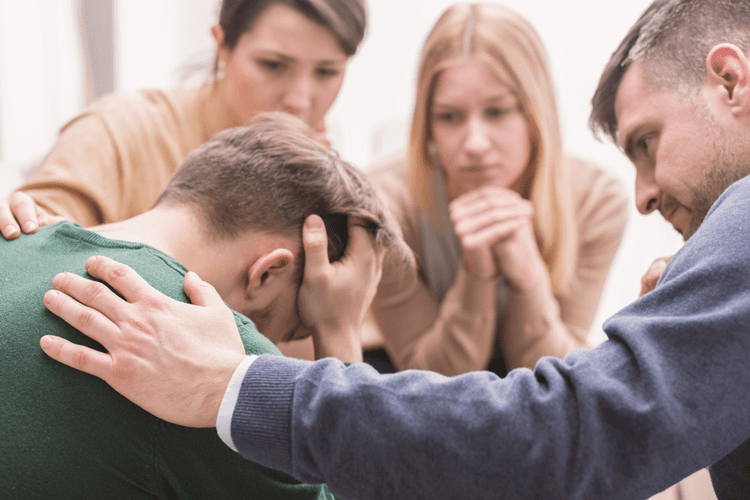
Remember, the event does not define you, but how you respond to it is what matters. Learn from your mistakes to make more informed choices next time. Remember that this singular event does not define you or your recovery, but the moments after will. How you respond to relapse is critical – you can either stay knocked down or choose to get back up and keep fighting. Relapse does not make you a failure, nor does it mean your recovery is ruined forever.
Keys Recovery Center: Drug Rehab Treatment with Compassion and Empathy
- Recovery is a personal journey of growth, resilience, and continuous learning.
- Still, your emotions may put you at a higher risk of use.
- In fact, because of the link between relapse and stress, you might be at a higher risk while you’re doing something important.
- Setbacks can be opportunities for growth in addiction recovery.
- Acknowledging your imperfections and being kind to yourself can help you progress from challenging times instead of ruminating on missteps.
These include helplines like the National Self-Harm Network and online forums such as RecoverYourLife. In addition, therapeutic services like cognitive-behavioral therapy or dialectical behavior therapy can provide professional support and guidance. It can be a Sober living house sign that you need more support or treatment.

Accidentally drinking an alcoholic drink when asking for a non-alcoholic drink is common, taking drugs by accident is less common. Stress is one of the biggest factors contributing to relapse. Stress and interpersonal conflict have immensely power and often negatively affect those in recovery from addiction. In reality, relapse is part of the rehabilitation cycle. Without battling feelings of relapse and the emotions that go with it, you are not able to personally develop.
Ask for support
Stress relievers that might help you manage acute and long-term stress include deep breathing, meditation, and mindfulness practices. Accepting that relapse is a normal part of the process of recovery is a more helpful way of looking at relapse. It can be seen as a sign that something in their treatment plan needs to what to do after a relapse be modified to maintain sobriety. If you’ve suffered a relapse, it’s important to look at this event as a learning experience.
Despite the narrative that once someone with a substance use disorder gets sober, they must remain that way forever, recovery is not so linear. Most people who become sober after battling substance use disorders end up relapsing within the first three months to a year. What’s important is knowing what to do after a relapse. A relapse can be a one-off event or even a short-term situation, but it is a part of your recovery.
Step 3: Reflect on What Led Up to It
They might abandon their efforts, feeling that quitting is too difficult. Even some treatment programs take a hard line on participants who relapse. Relapses can also occur in physical and mental health conditions.
Warning Signs for Your Own Mental Health
After a relapse, you can get back on track by realizing that relapsing is just a setback in your addiction recovery. Rebuilding a routine following a setback might feel overwhelming. Start by focusing on tasks and gradually increasing the workload from there. Remember, the aim is not to burden yourself but to establish a well-rounded and sustainable daily schedule that supports your journey toward sobriety and overall wellness.